Policy Strategist · Evidence to Action · Global Health & Development

Apoorva
Jadhav

Ph.D., MPH

I turn demographic evidence into the strategies and policy frameworks that shape how nations plan for their people. With twenty years of experience translating research into action across different contexts, I bridge the gap between what the data says and what decision-makers do with it. Because demography is more than just data. It is the story of who gets born, who survives, and how we invest in the future of every individual.

Dr. Apoorva Jadhav
CarnegieNonresident Scholar
G7 GEACAdvisory Council
PRBSenior Fellow
Gates InstituteJohns Hopkins

From evidence to action

I turn population data into the investments and policy frameworks that shape how nations plan for their people. My work sits at the intersection of rigorous evidence and global decision-making: translating what the data reveals into the programs that governments and institutions actually use.

With twenty years of experience, I've spent my career bridging the gap between research and impact. During my eight years at USAID, I served as the Agency's chief demographic expert, helping direct a $350M investment portfolio and providing strategic oversight for surveys and censuses that shaped global policy on family planning and reproductive health.

Today, I advise at the highest levels of global policy. At the Carnegie Endowment for International Peace, I am part of a strategic initiative on India's demographic dividend, identifying structural constraints that limit the country's potential and the policy levers that can unlock it. At the William H. Gates Sr. Institute at Johns Hopkins University's Bloomberg School of Public Health, I am helping develop strategy to ensure governments design programs with demographic futures at the forefront. At the Population Reference Bureau, I help shape how demographic evidence is communicated to policymakers and the public. And as a member of the G7 Gender Equality Advisory Council, I help the group on the demographic dimensions of gender equality and global development. My goal is the same: ensuring governments plan for their demographic futures.

I also write a Substack called Demography Matters, where I make the case, one country at a time, that population data is not an abstraction—it is the foundation of every strategic decision that touches a human life.
Things I've written & said

I write about the places where demographic evidence meets policy decisions: low fertility panic, the politics of counting, and why the data we collect determines who gets resources, investment, and attention—and who doesn't.

Talks, Panels & Statements

Demography Matters

Subscribe on Substack

I'm writing my way through the world, one country at a time, exploring what demography tells us about how societies function, who they leave behind, and what comes next. Each piece pairs a country with a core demographic concept. Here are the most recent.

World Population Day illustration
World Population Day • Global
Boom or Bust? Both, at Once
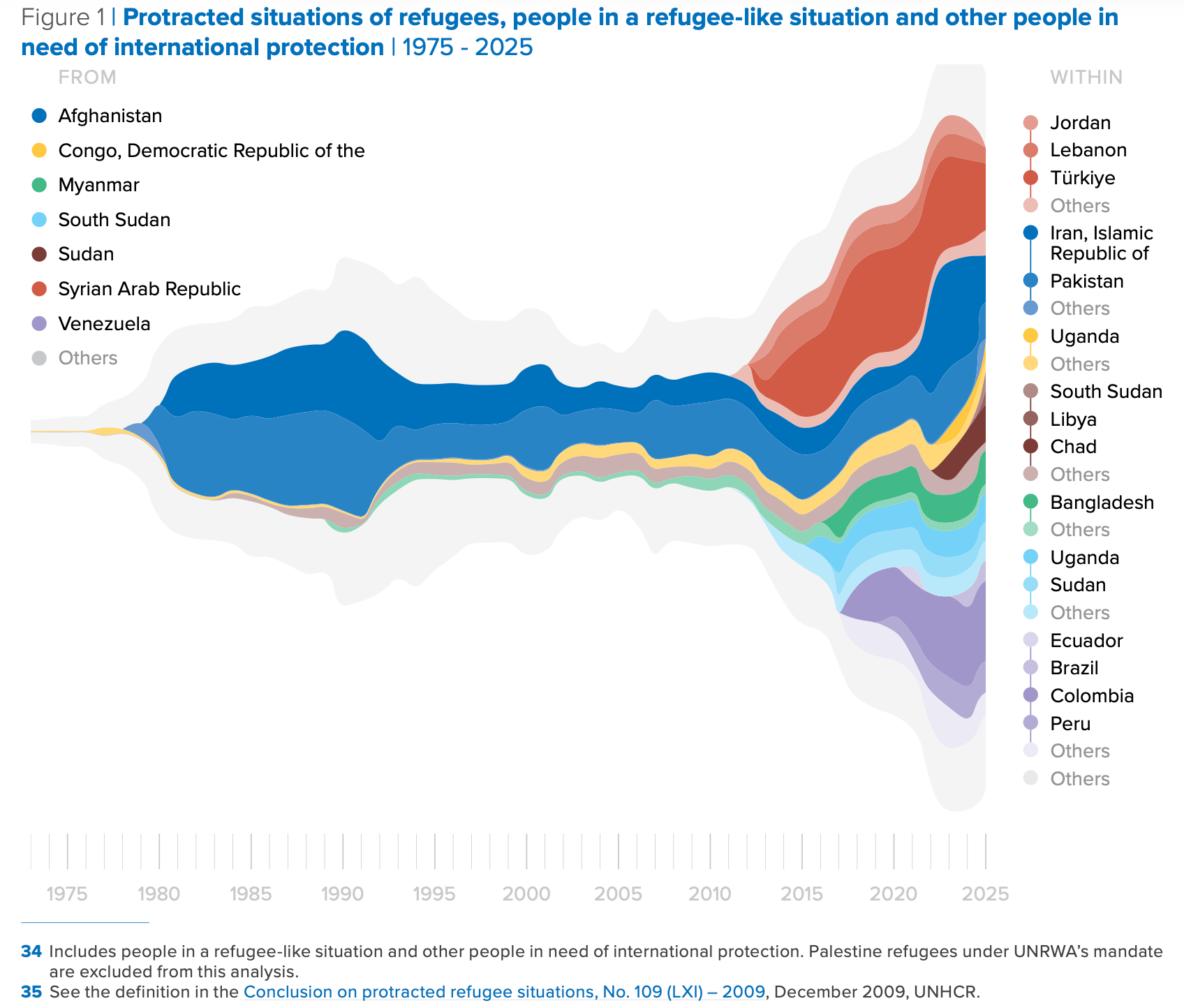
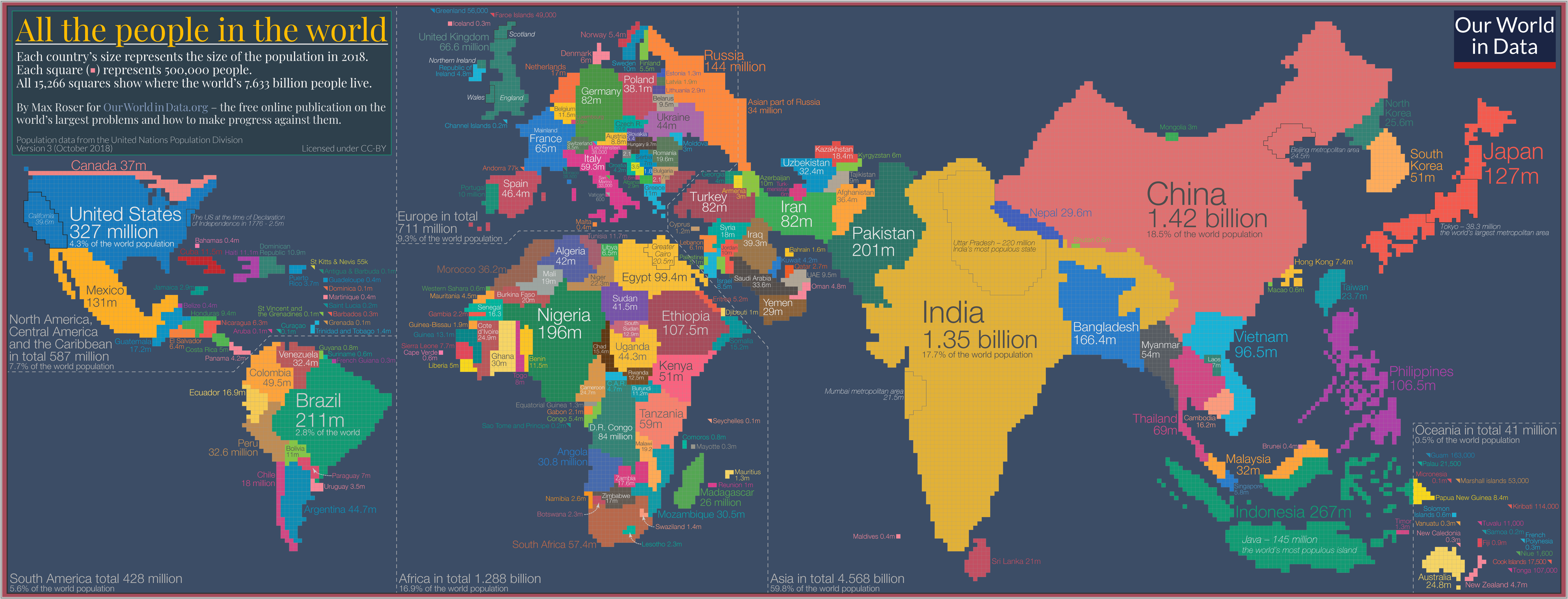
On World Population Day: the same planet is graying in one hemisphere and still surging in another. The global average hides two opposite crises—and the policy fix for one is poison for the other.
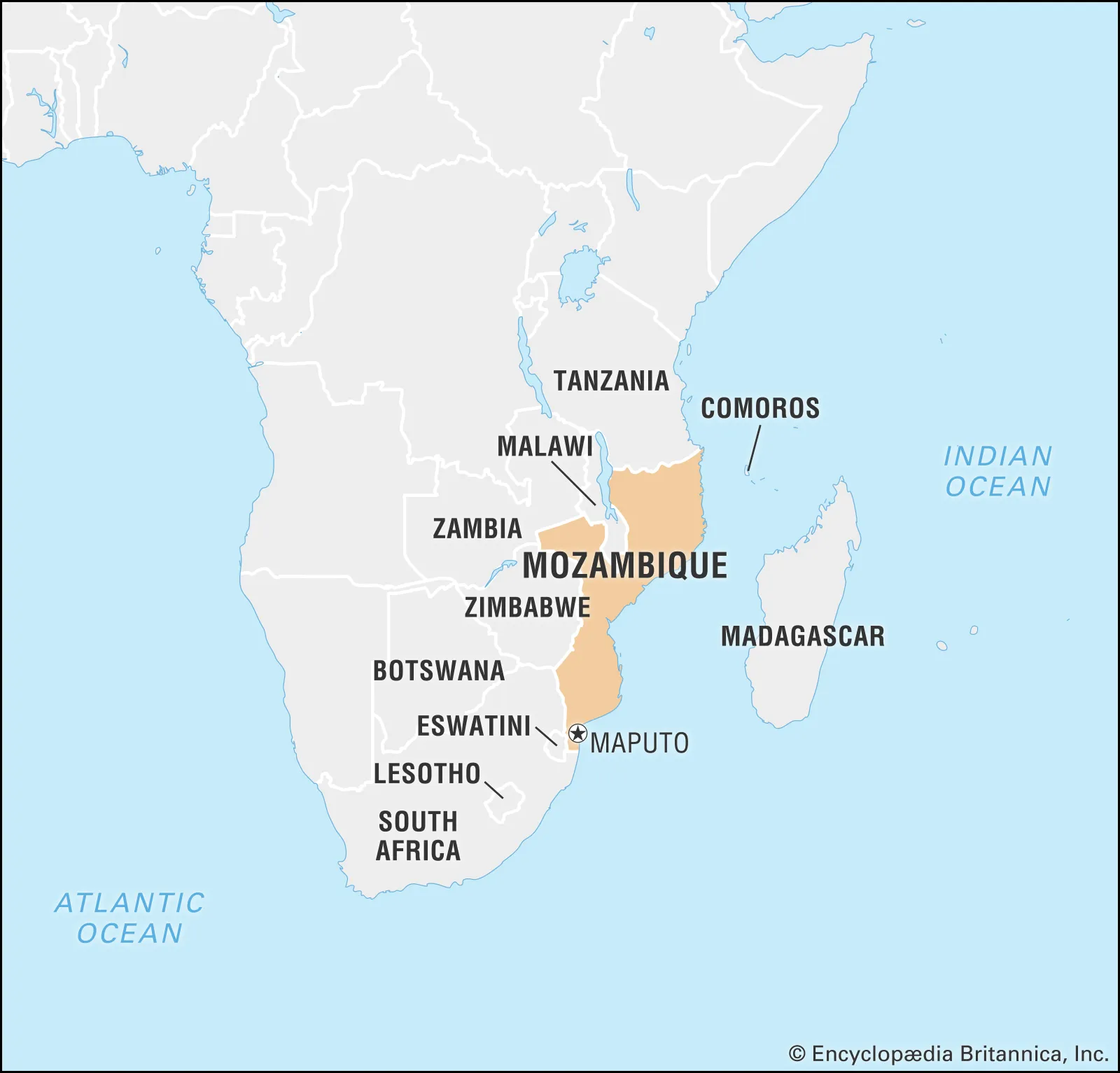
Map of Mozambique
Sex Ratio 65+ • Mozambique
Old Age Is Female—Even Here
Past 65, women outnumber men almost everywhere; late life is a world of widows. In Mozambique that imbalance arrives poorer and more unequal, where reaching 65 at all is rationed by region and wealth.
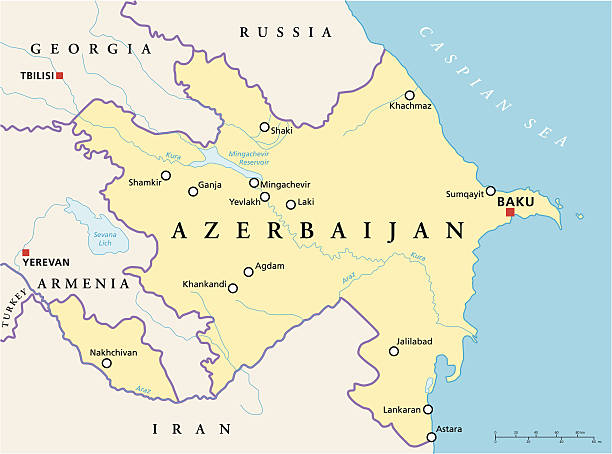
Map of Azerbaijan and the Caucasus
Sex Ratio at Birth • Azerbaijan
When the Missing Girls Show Up in the Data
Azerbaijan carries one of the most skewed sex ratios at birth on earth—near 114 boys per 100 girls at its peak. Son preference, shrinking families, and cheap ultrasound leave a demographic signature of who a society values.
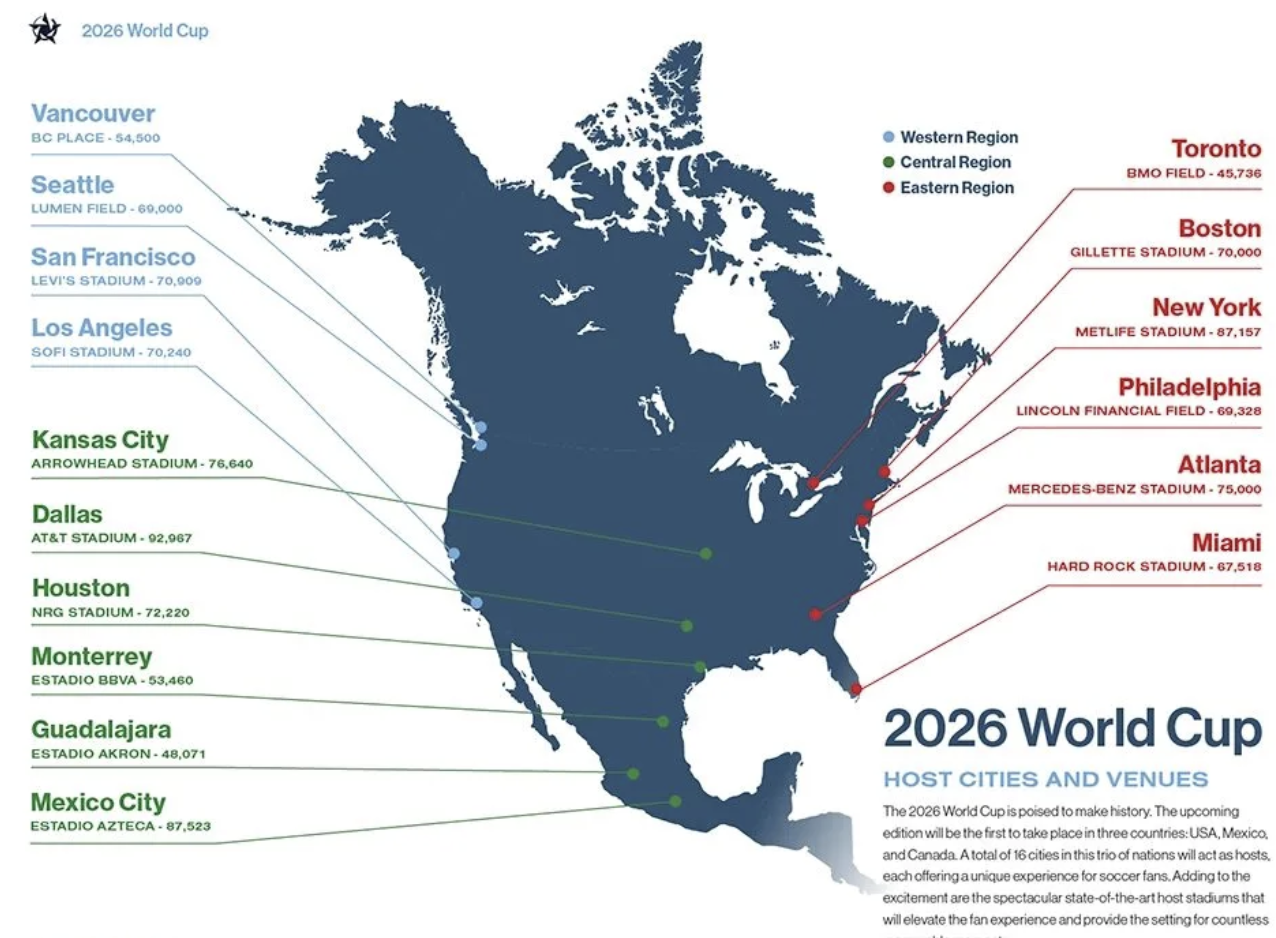
The Demography Matters World Cup Simulator
Interactive • World Cup Simulator
The Demography Matters World Cup Simulator
What if the World Cup were decided on under-five mortality, fertility, migration, and dependency instead of goals? An interactive bracket where the healthier demographic profile advances—and the winners surprise you.
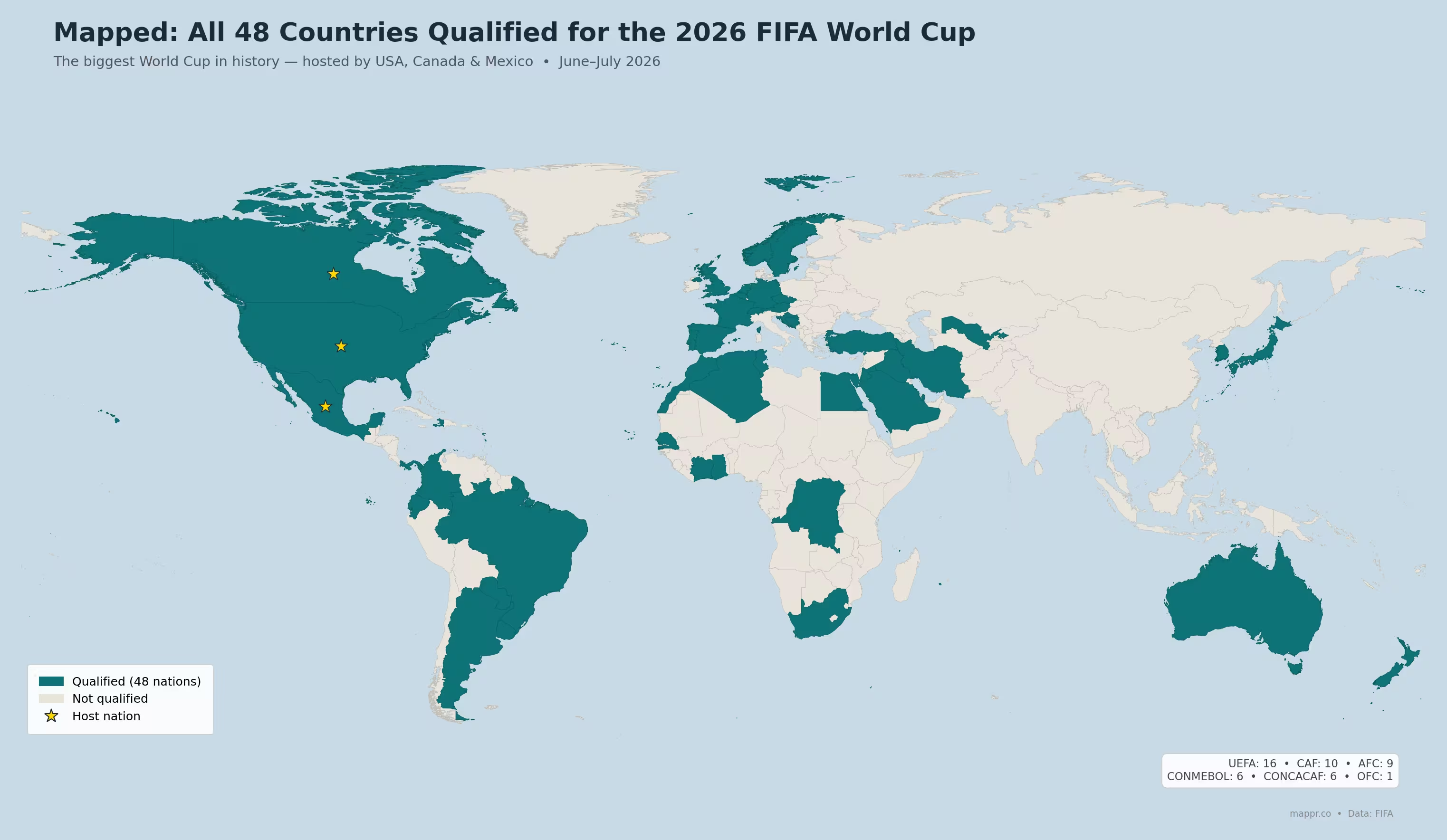
Special World Cup edition illustration
Special • World Cup
What the Bracket Knows About Demography
A soccer-themed detour: reading the 48 qualifying nations as demographic profiles rather than squads—youthful benches, aging holdouts, and diaspora sides built by a generation of migration.
Map of Spain
Age at Marriage • Spain
Where Marriage—and Everything After—Waits
Spaniards marry among the latest in the world, first births pushed past 32. Later unions track with education and opportunity, but the deferral collides with a fertility rate among Europe's lowest.
Map of Nepal and the Himalaya
Age at Marriage • Nepal
Two Countries Inside One Median
Nepal's average age at marriage is rising, but the median hides a sharp divide—early marriage persists across caste, class, and hill-versus-terai geography even as urban women wait. The average is nobody's actual life.
Map of the United States
Maternal Mortality • United States
The Rich Country That Keeps Failing Mothers
The United States has the highest maternal mortality in the wealthy world, and the burden is starkly unequal—Black women die at roughly three times the rate of white women, a gap that persists across income and education.

Current appointments & experience

2026
Nonresident Scholar
Carnegie Endowment for International Peace, South Asia Program
Leading a strategic initiative on India's demographic dividend—identifying where structural constraints limit the country's potential and what policy levers can unlock it.
2026
Member, G7 Gender Equality Advisory Council
French Presidency of the G7
Advising the French Presidency on the demographic dimensions of gender equality, translating population evidence into actionable policy recommendations for G7 leaders.
2025–Pres.
Senior Fellow
Population Reference Bureau, Washington, D.C.
Shaping how demographic evidence is framed and communicated to policymakers, funders, and the public—writing on fertility, mortality, and migration through a strategic lens.
2025–Pres.
Consultant, Demographic Futures
William H. Gates Sr. Institute, Johns Hopkins University
Developing strategy for governments and policymakers to integrate demographic projections into program design and investment planning.
2017–2025
Senior Demographer & Statistician
USAID, Bureau for Global Health
Led demographic strategy for the Bureau for Global Health—directing a $350M investment portfolio, providing strategic oversight across USAID-assisted countries, and translating population evidence into agency-wide policy on family planning, reproductive health, and global health.
2014–2017
NIA Postdoctoral Fellow
University of Michigan, Ann Arbor
National Institute on Aging fellowship, working on the Health and Retirement Study and cross-continental research on aging.

Boards, panels, & tables I sit at

Advisory & Expert Roles

Technical Advisory Group, Family Planning Impact Lab
Guttmacher Institute • 2025–Present
Expert Advisory Committee, Youth Reproductive Choices Survey
UNFPA • 2025–Present
Task Force on Sustainable Demographic & Health Surveys
UN Inter-Secretariat Working Group • 2025–Present

Global Representation

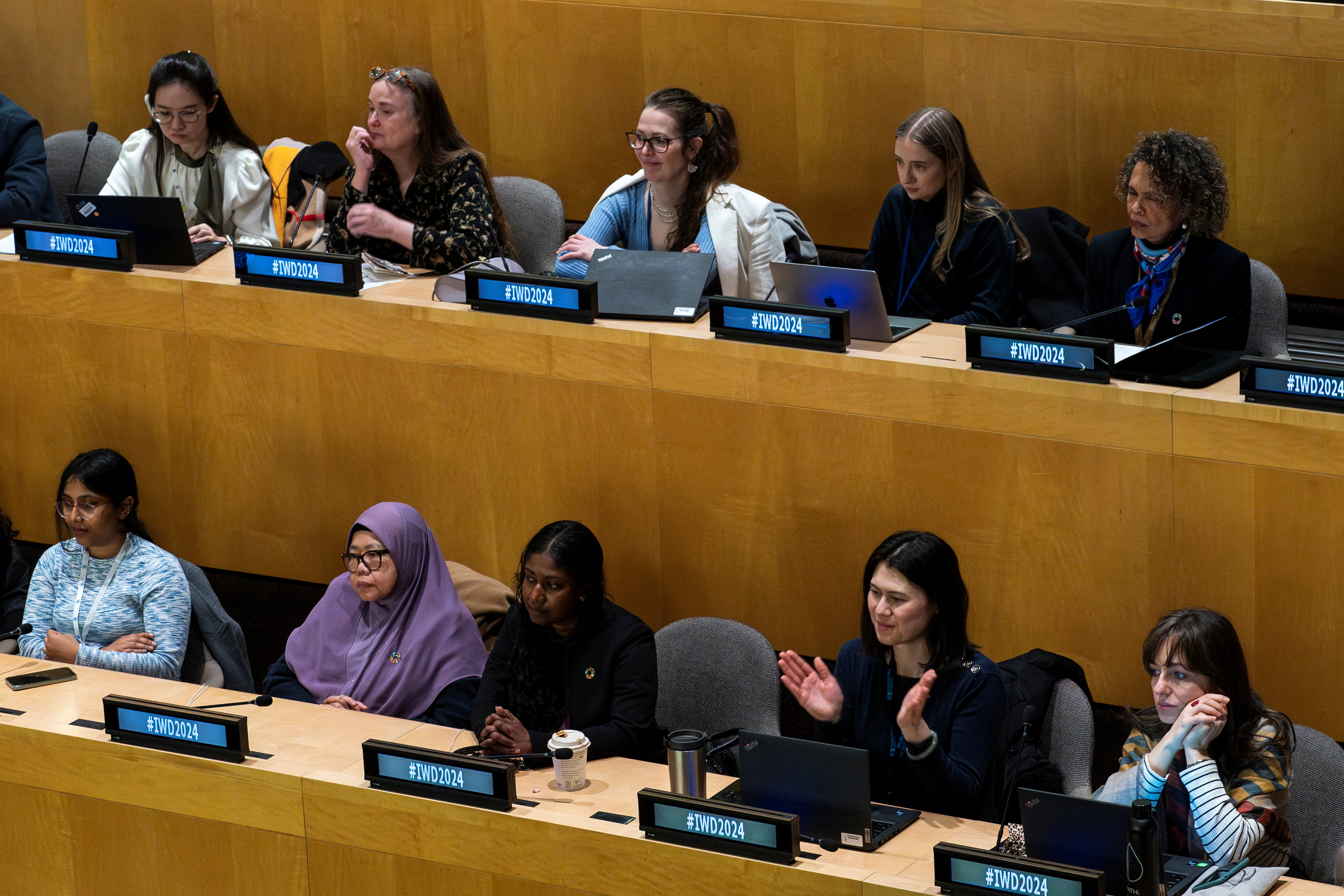
U.S. Delegate, UN Commission on Population & Development
United Nations, New York • 2023–2024
USAID Technical Lead, ICPD30 Commemorations
USAID • Dhaka, 2023
Panelist, Population & Development in the 21st Century
Wilson Center • Washington, D.C. • 2024
Panelist, Demographic Diversity & Sustainable Development
UNFPA • 2024
Expert Group Meeting, COVID-19 Impact on Mortality
United Nations • 2022
Technical Consultation, Estimates of Infertility Prevalence
World Health Organization • 2021

I'd love to hear from you

If you're working on something where demography matters—and it almost always does—let's talk.